
Skin in the Game
On diversity in casting and depiction
Daniel Donnelly
3/14/20262 min read
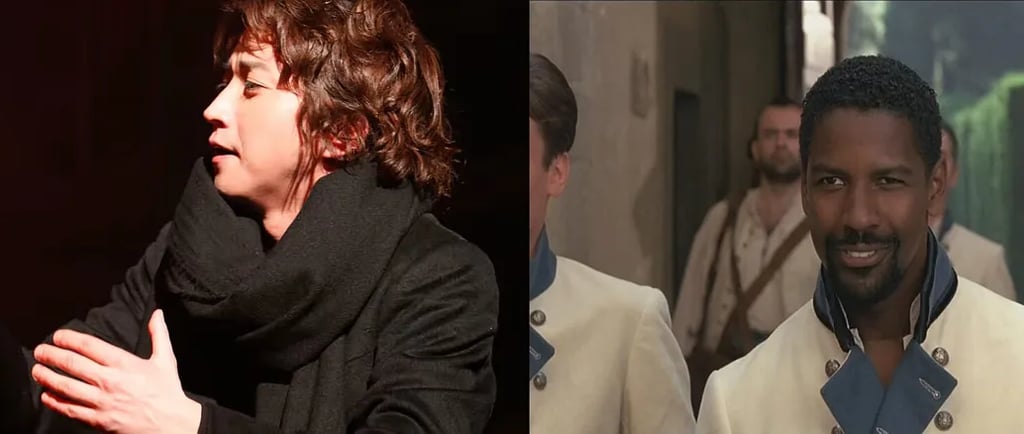
Lately there has been strife in the Twitterverse about “race swaps” in several major production franchises. From Netflix to Amazon to… Wizards of the Coast, decisions have been made to cast or depict characters using people of ethnicities different from the original castings and depictions or descriptions. Now you know why I am not on Twitter.
In a more perfect world, conservatives would take umbrage at their Speaker of the House recently caving to President Biden’s demands to raise the debt ceiling, thereby plunging this country into a hole of debt which will only be discharged in abject receivership to foreign treasury bill holders like China and Saudi Arabia. Instead, conservatives want to harp on the blackness of elves and mermaids.
One valid point which conservatives make in these criticisms concerns the intention behind these new castings. To signal their virtue in social justice, people involved in these modern productions readily admit that the castings are meant to “diversify” the depictions. Diversity, of course, has no real value in and of itself. All which matters is the result. If a “re-imagined” casting results in a better, more memorable portrayal, great. If not, then there has been a change but no improvement.
Progressives counter that diverse casting allows the productions to be received by wider, newer audiences. Taking that at face value (if you’ll pardon the pun), this implies a loss of more traditionalist audiences. That is, if an underrepresented casting is supposed to attract underrepresented audiences who connect more with the production because they see more of themselves therein, then this would mean that overrepresented audiences would see less of themselves in the production and therefore care less for it. Maybe the progressive presumption here is that overrepresented audiences are more enlightened not to mind. Nor does it go unnoticed that the diversification is peculiarly unidirectional... and more’s the pity since Dakota Fanning would’ve been great to headline the reboot of Mulan.
At day’s end, re-interpretation and adaptation is what makes art immortal. At any given time on six of the seven continents, someone is staging a work of Shakespeare, playing a symphony by Mahler, or translating Edgar Allen Poe. Far from viewing these re-inventions as divisive, we should realize that people only re-invent the art which speaks to our common humanity.
Originally published June 15th, 2023 on Facebook.